REVIEW · SIDE
From City of Side: Pamukkale & Hierapolis Day Trip w/ Lunch
Book on GetYourGuide →Operated by Payless Turizm · Bookable on GetYourGuide
A long day with thermal pools and Roman ruins is hard to beat. This Pamukkale & Hierapolis trip runs with a shopping-light approach, plus real time at the thermal terraces, not just a quick photo stop. I like that the day is structured so you can enjoy the big sights and still breathe between them, especially thanks to strong guides like Inci and Kaan.
The main thing to plan for is the long haul. Between transfers and walking (especially at Hierapolis), it’s a full 15-hour commitment, and it’s not ideal if you have mobility limits or you’re traveling with a stroller, crutches, or similar needs.
In This Review
- Key points to know
- Side to Pamukkale: a 15-hour day trip that actually works
- Korkuteli breakfast stop: a small break that makes the big day easier
- Hierapolis: Roman city, thermal story, and the Cotton Castle effect
- Pamukkale terraces: photos vs reality, plus when you’ll want extra time
- Swimming options: Cleopatra’s Antique Pools and the extra fee
- Lunch in Denizli: included buffet, plus the culture detour side stops
- Price and value: why $59 can be a bargain (and where the extras hit)
- What to pack for Pamukkale and Hierapolis (so your day stays comfy)
- Who this tour fits best
- FAQ
- How long is the Side to Pamukkale & Hierapolis day trip?
- Does the tour include hotel pickup and drop-off?
- What meals are included?
- What languages are offered?
- Is there a shopping requirement?
- What entrance fees should I expect?
- Is Cleopatra’s Antique Pool swimming included?
- How does pickup timing work?
- What should I bring?
- Is this tour suitable for everyone?
- Should you book this Pamukkale & Hierapolis day trip?
Key points to know
- Expert guides keep the flow moving and help you avoid wasted time on-site
- Pamukkale free time gives you room for photos, a swim, and a slower pace
- Hierapolis is the heavy-hitter: theater, baths, necropolis, plus Cotton Castle
- Cleopatra’s Pool costs extra and can be affected by access on the day
- Lunch is included (open buffet), which saves you from hunting for food
Side to Pamukkale: a 15-hour day trip that actually works
This is one of those classic Aegean coast excursions that trades convenience for time. You start in Side, then spend a lot of the day on the road. Still, the structure matters. You’re not just stuck on a bus with no rhythm—there are planned breaks, and the vehicle is air-conditioned, which helps when the coast heat (or winter chill) hits.
The value in a trip like this is simple: you get a guided day covering two major UNESCO-area stops—Pamukkale and Hierapolis—without needing to drive, park, or piece together timing on your own. The best versions of this tour also manage the order smartly, so you spend your daylight on the ruins and pools, not standing in lines.
That said, this is not a short, low-effort outing. Expect long walking sections, uneven ground, and plenty of sun exposure once you’re near the terraces. If you’re the type who wants a relaxed “slow travel” day, you might feel rushed. If you like packing in big sights with a guide handling the hard parts, you’ll probably love it.
You can also read our reviews of more city tours in Side



Korkuteli breakfast stop: a small break that makes the big day easier
Before you hit the main ruins, you get a breather stop around Korkuteli. Some people use it for breakfast; others just reset in a quiet café. Either way, it’s a smart move. It helps you start Hierapolis fed and awake instead of grabbing breakfast at random once you’re already in the chaos of a major attraction area.
I also like that this sort of stop helps families. Several guides on this route have shown they can handle a mixed group—adults who want history, plus kids who need short pauses and something to do besides stare out the window.
Practical note: breakfast isn’t listed as included, so think of this as your chance to buy it yourself (or keep it light with tea and snacks).
Hierapolis: Roman city, thermal story, and the Cotton Castle effect
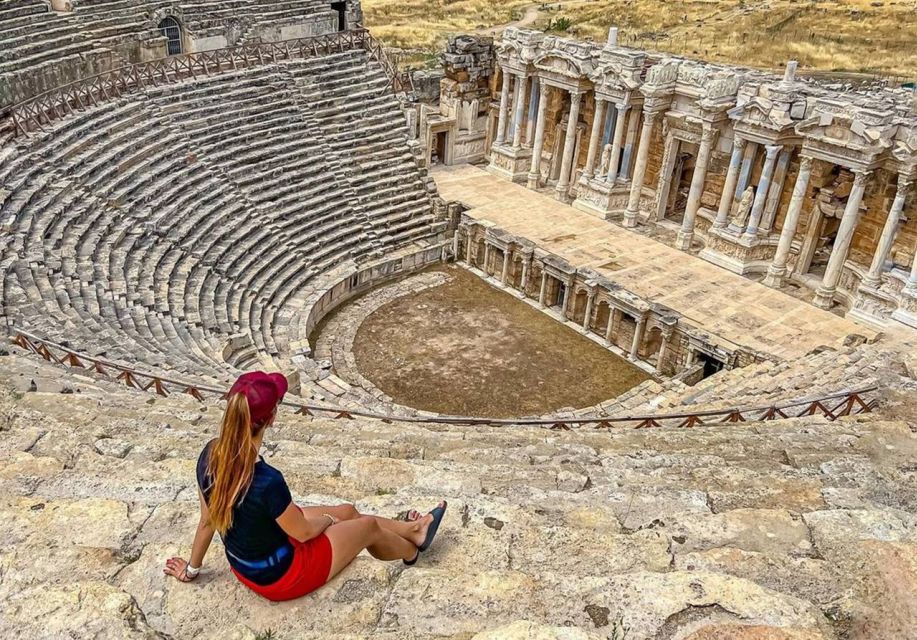
Hierapolis is where the day earns its wow-factor. It’s not just ruins laid out for easy wandering. This was once a therapeutic and spiritual center, tied closely to the region’s thermal springs. Your guide typically threads that theme through the visit, so you’re not just looking at stones—you’re understanding why this place mattered.
Here’s what you can expect as you move through the site with your guide:
- Ancient walls and key lookout areas, so you understand scale
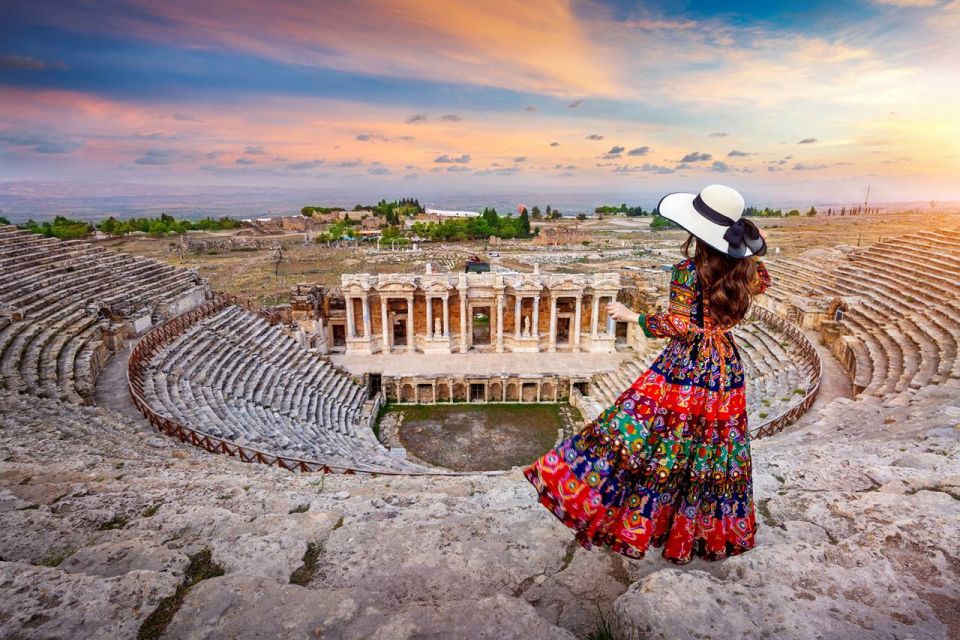
- The ancient theater, a strong anchor for Roman-era performance culture
- Roman baths, showing how daily life and health beliefs blended
- The necropolis, where you’ll notice the site’s long timeline of use
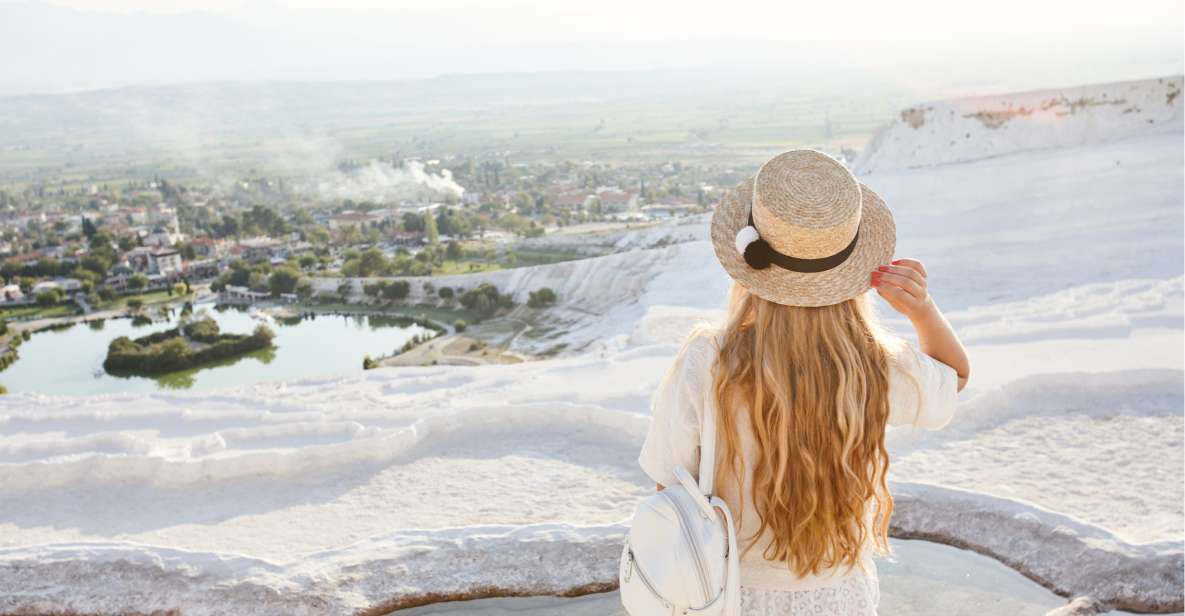
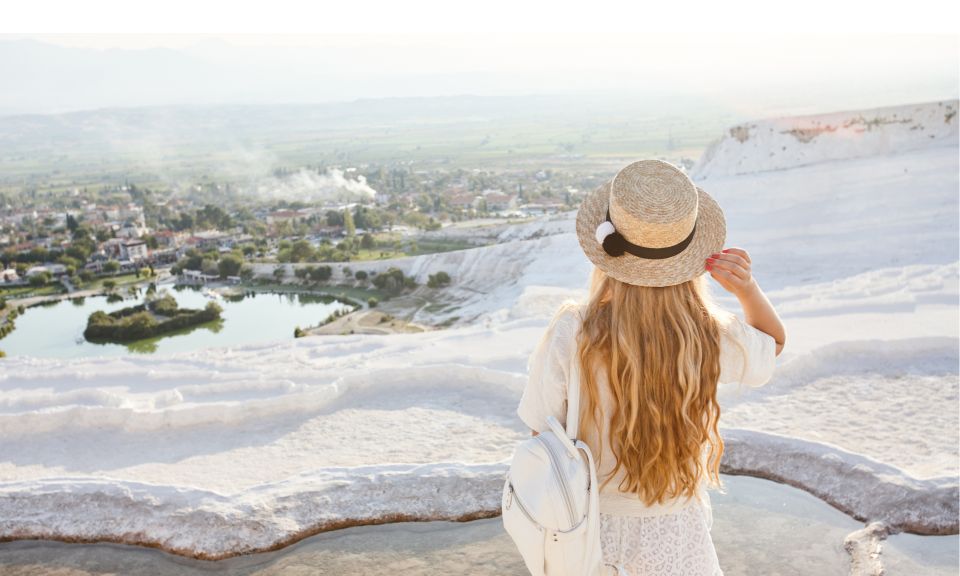
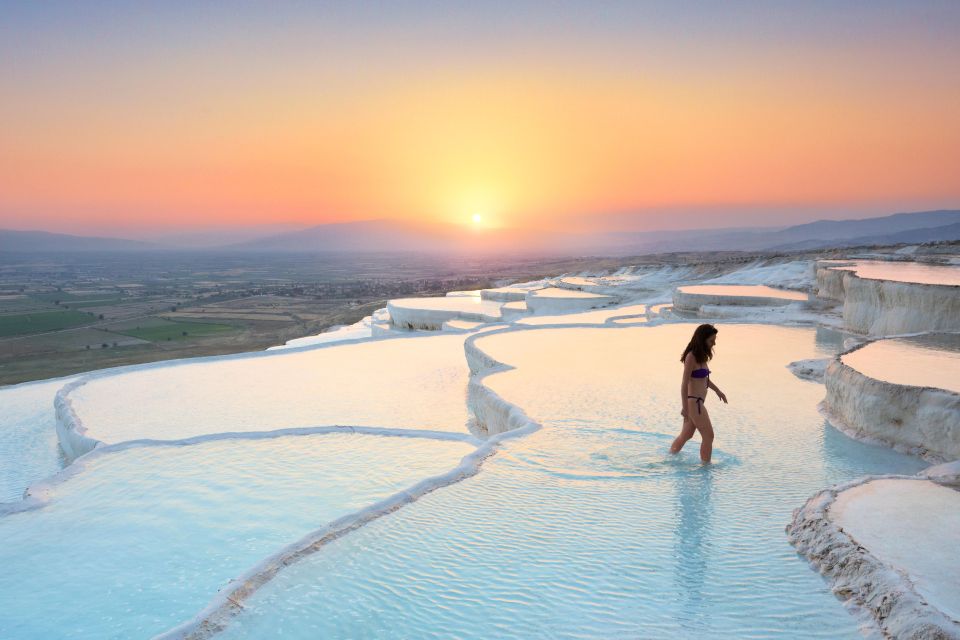
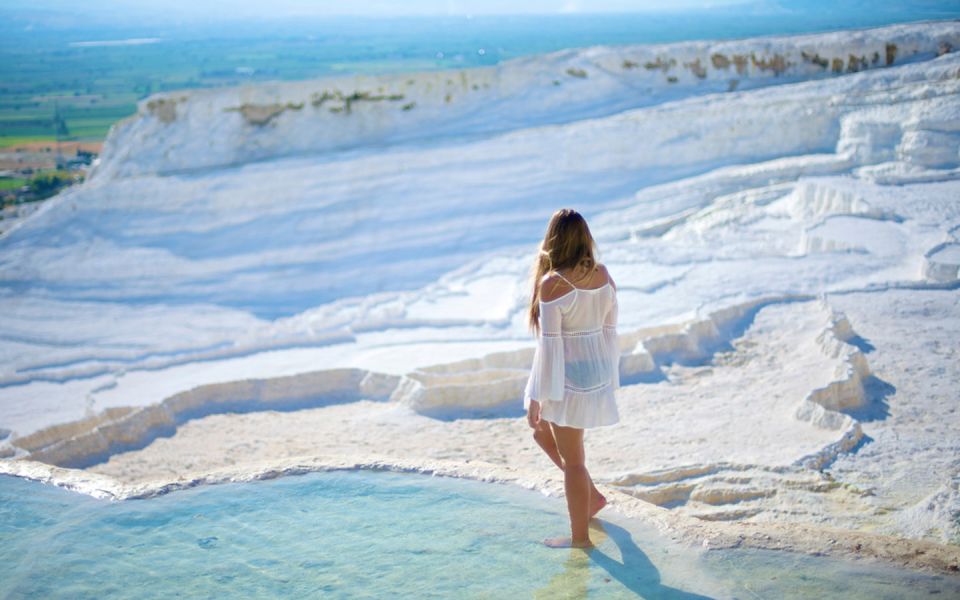
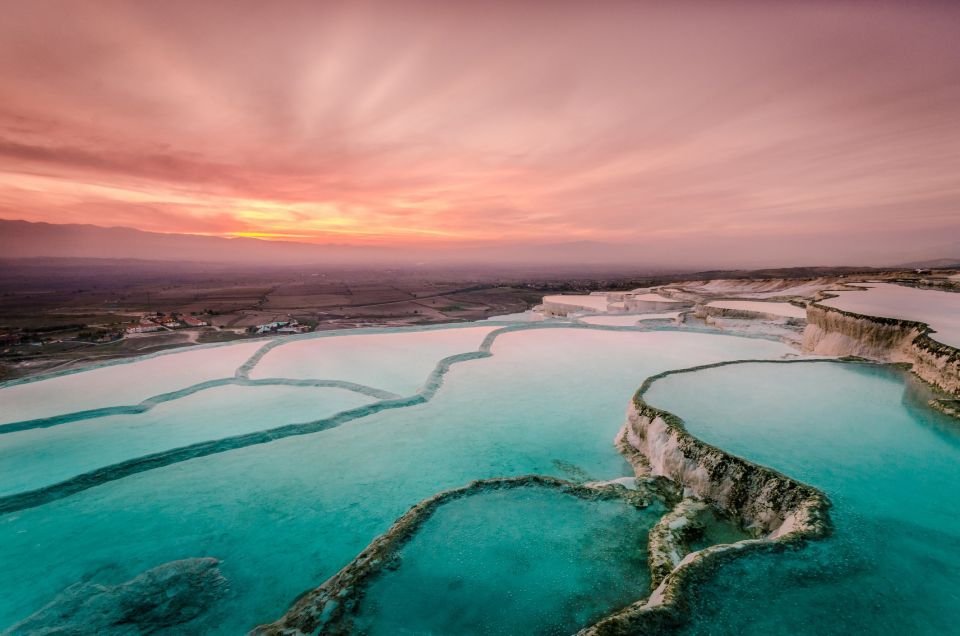
Then comes one of the most photogenic moments: Cotton Castle. It’s a whitewashed mountain made from limestone, shaped by mineral-rich spring water. The natural pools formed by the hot water look unreal in photos—and on a good day, they really can be stunning in person.
Two on-the-ground tips based on what I’d prioritize if I were planning your day:
- Wear shoes you trust. Hierapolis involves walking on surfaces that aren’t “museum smooth.”
- Take photos early, then slow down. The best pictures come when you’re patient and not trying to squeeze everything between guided explanations.
Mobility caution: Hierapolis is active. The amphitheater and areas near the necropolis involve stairs and uneven paths. This tour isn’t recommended for people with mobility impairments or for pregnant travelers, and that’s for a reason.
Pamukkale terraces: photos vs reality, plus when you’ll want extra time
Pamukkale is the big draw, and it lives up to the reputation—just don’t assume every postcard look happens every day. The terraces form from mineral deposits and thermal water flow, and the coverage can vary. On some days, the water appears more limited; the famous bright look can be more subtle than you expect.
What usually impresses people most is the contrast: white limestone ridges, warm ground, and the feeling that you’re standing inside a natural mechanism that’s been working for ages.
Your time at Pamukkale usually includes:
- A guided walkthrough to explain what you’re seeing and why it forms
- Free time afterward, so you can explore at your pace
I love that this isn’t a rigid “walk in a line and leave” schedule. Many guides also help you with photo timing and viewpoints. And if you’re planning to swim, plan it with your free time in mind.
One more reality check that helps you enjoy the experience: it’s often warmer where the hot water and minerals are active, but the air around you can still be cold in winter. In very cold weather, you might notice unusual temperature effects at the site. The takeaway is simple—bring layers if you’re visiting outside peak season, even if you’re going for thermal pools.
Swimming options: Cleopatra’s Antique Pools and the extra fee
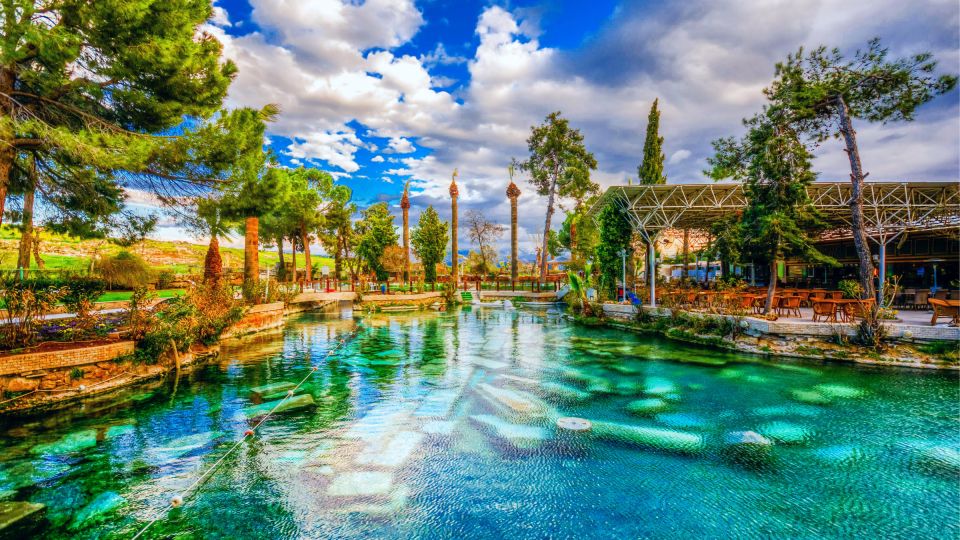
If Pamukkale is the terraces, Cleopatra’s Antique Pools are the upgrade. The tour includes the chance to go and swim, but the entrance fee is not included. The price listed is 10 EUR per person, so budget for it ahead of time.
Two things to know:
- Swimming time is limited by how long you choose to stay in that zone. It’s best treated as an add-on, not your entire Pamukkale plan.
- Access can depend on conditions at the pool itself. In at least one recent case, Cleopatra’s pool was reported as under construction, which means you might not get the swim even if the plan includes it.
If swimming is a top priority for you, I’d treat the pool visit as important but not the sole reason you’re going. The terraces and the Hierapolis ruins still deliver even if the pool doesn’t happen.
You can also read our reviews of more tours and experiences in Side




Lunch in Denizli: included buffet, plus the culture detour side stops
Lunch is included, and it’s not the weak point on this tour. You’ll have an open buffet lunch after the Hierapolis segment and while moving toward Pamukkale.
In practice, that included meal matters. This is a long day with several major stops, and having lunch handled removes one stress: you don’t have to track down a restaurant near the sites or worry about timing.
One more detail: some versions of this itinerary include short local detours where shopping is optional, not required. There can be stops connected to items like onyx or brief craft/jewelry-style visits, and sometimes a winery or tasting comes up. Importantly, the experience is described as low-pressure—guides generally keep it informational and let you opt out.
If you dislike any kind of shopping stop, tell yourself this: you can enjoy the ride and the sights without buying anything. Just keep your expectations aligned with a typical Turkish day-trip flow.
Price and value: why $59 can be a bargain (and where the extras hit)
Let’s talk money like an adult. The tour price is $59 per person, and it includes a lot of the hard-to-organize parts:
- hotel pickup and drop-off in Side
- air-conditioned transportation
- a multilingual guide (English is listed for the live guide)
- open buffet lunch
- insurance
What’s not included is where you should plan your budget. The tour lists these key add-ons:
- Pamukkale entrance (listed as 30 EUR per person)
- Cleopatra’s Antique Pools entrance (listed as 10 EUR per person)
There’s also an extra entrance cost for Hierapolis in multiple recent experiences (one traveler reported paying around €30 / 2100 lira). The exact amount can shift, but the point stays the same: entrance fees are a real part of the trip cost, so don’t assume the $59 is everything.
So is it still good value? In my view, yes, because you’re paying for:
- guided time at two huge sites
- a controlled schedule and transport
- lunch included (which would cost you anyway)
- less friction than DIY driving and ticket planning for a one-day window
If you’re the type who loves ruins and thermal sites, you’ll likely feel the value quickly.
What to pack for Pamukkale and Hierapolis (so your day stays comfy)
This isn’t a packing-light kind of tour. Bring what helps you move comfortably and deal with sun, heat, and possible cold snaps.
Recommended items include:
- Comfortable shoes (this matters a lot at Hierapolis)
- sunglasses, sunscreen, and a hat
- swimwear, plus a towel if you plan to use the pools
- comfortable clothes for layered weather
- passport/ID (important for children)
- cash (for entrance fees and any extra costs)
Also remember the pickup rule: you should wait in your hotel lobby about 10 minutes before your scheduled pickup time.
Who this tour fits best
This trip is a strong match if you want a guided, high-sight-density day. It’s especially good for history-focused people, and it works well for families when kids are old enough to handle some walking and don’t mind long stretches of travel.
Guides on this route tend to be friendly and hands-on, with reports of guides like Ibrahim, Kaan, Apo, and Kadir keeping energy up and explaining things in a way that lands for both older visitors and younger kids.
It’s not a fit if you need accessibility support beyond what stairs and uneven ground allow, or if you’re pregnant.
FAQ
How long is the Side to Pamukkale & Hierapolis day trip?
It runs for about 15 hours.
Does the tour include hotel pickup and drop-off?
Yes. Pickup and drop-off in Side are included.
What meals are included?
Lunch is included as an open buffet. Breakfast is listed as not included, but there’s a scheduled breakfast/coffee break stop on the way.
What languages are offered?
The live guide is English. Audio guides are available in German, French, Chinese, and Korean.
Is there a shopping requirement?
The tour is described as shopping-free, and there’s no pressure to buy items. Some local stops may still involve optional shopping.
What entrance fees should I expect?
Pamukkale entrance is listed as 30 EUR per person. Cleopatra’s Antique Pool entrance is listed as 10 EUR per person.
Is Cleopatra’s Antique Pool swimming included?
Swimming is part of the plan, but the Cleopatra pool entrance fee is not included, so you’ll pay extra on site.
How does pickup timing work?
You should wait in your hotel lobby about 10 minutes before the scheduled pickup time.
What should I bring?
Comfortable shoes, sunglasses, sunscreen, a hat, swimwear and a towel, comfortable clothes, and cash. Bring a passport or ID for children.
Is this tour suitable for everyone?
No. It’s not suitable for pregnant women or people with mobility impairments.
Should you book this Pamukkale & Hierapolis day trip?
If your trip is short and you want to hit Hierapolis plus Pamukkale thermal terraces in one day with a guide and lunch handled, I’d book it. The biggest reason is efficiency: you’re getting a guided route through major ruins and a real block of time at Pamukkale, not a rushed checklist.
Book it with eyes open about the trade-offs. It’s a long day with walking, and entrance fees add up on top of the $59 tour price. If you’re comfortable with that and you like ancient sites and thermal places, this is the kind of day trip that makes the most of your time on the Aegean coast.